
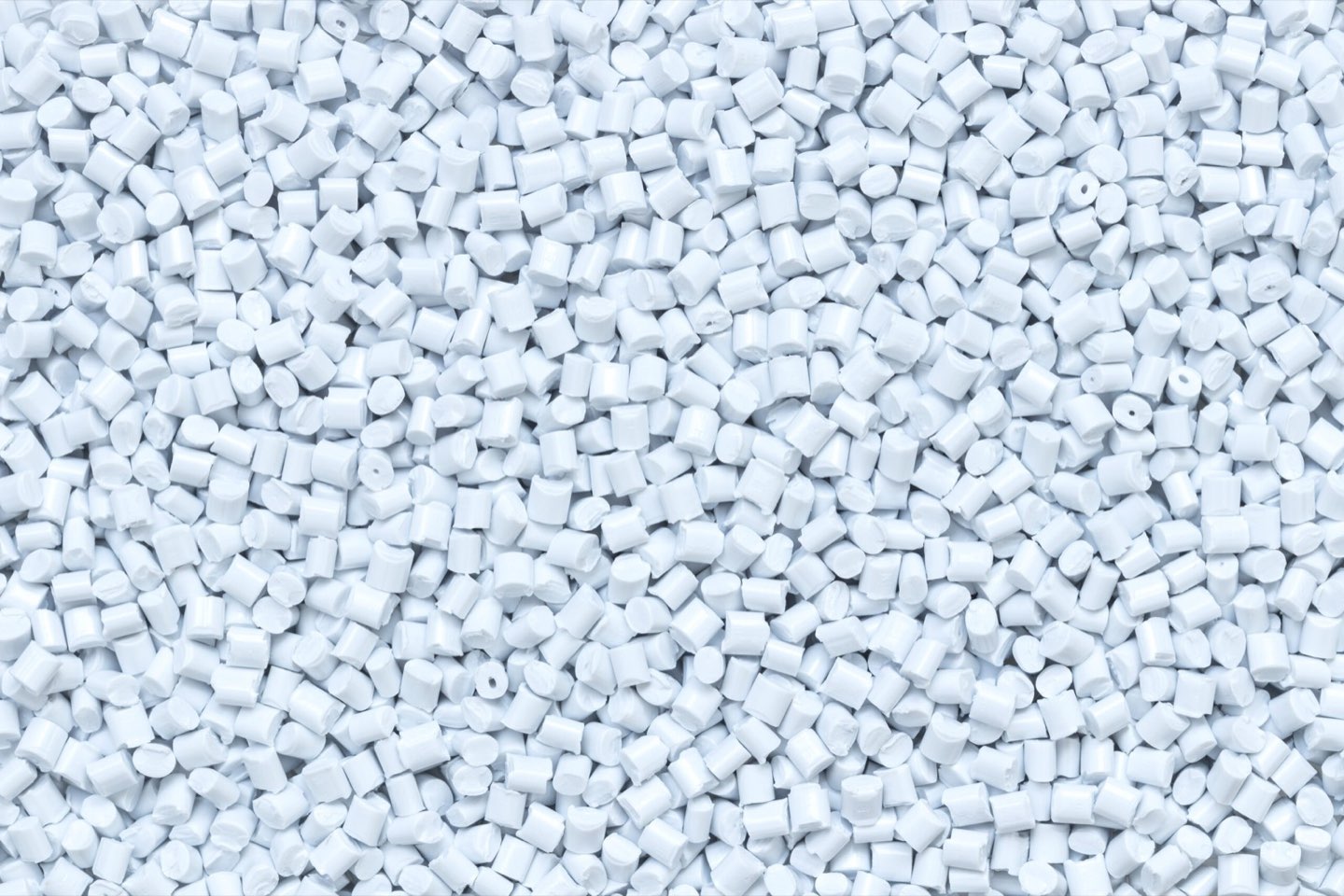
White Masterbatch
TiO2 white masterbatch for PE, PP, PET, Nylon, PC, ABS and 8 more polymers. High opacity and a clean, bright white, the same in every batch.
What is white masterbatch?
White masterbatch is titanium dioxide (TiO2) pigment that has been fully dispersed in a carrier resin and cut into granules. You mix a small percentage into your polymer during moulding, extrusion or spinning to make the product white and opaque.
TiO2 scatters light more strongly than almost any other white pigment, which is why it hides so well. The more TiO2 in the masterbatch, the less you need to add. The quality of a white masterbatch comes down to opacity (how well it hides), whiteness (a clean white with no yellow or grey cast) and dispersion (no specks, streaks or holes, especially in thin film and fibre).
- Polymers
- PE, PP, PET, Nylon, PC, ABS and 8 more
- TiO2 content
- 50%, 60% and 70% standard; other loadings made to order
- Dosage
- Usually 0.5% to 3%
- Whites
- Neutral, bluish, creamy, milky and opal
- Food contact
- FDA grades for selected products
- Minimum order
- None for standard grades; 50 kg for custom
- Packing
- 25 kg bags
Why our white masterbatch
What a good white does for your line and your product.
-
01
High opacity
High TiO2 loadings hide what's behind or inside the product, so thin film, bottles, housings and containers stay fully opaque at a sensible dosage.
-
02
Clean, bright white
An even white with no yellow or grey cast. Add optical brightener for extra brightness, or anti-yellow and UV stabiliser for whites that must stay white.
-
03
Fine TiO2 dispersion
TiO2 is spread evenly through every granule, so there are no specks, streaks or holes in thin film, and no clogged filters on fibre and nonwoven lines.
White masterbatch for every polymer
Each grade is made on a carrier that suits the polymer it goes into. These are the most common; tell us yours.
| Polymer | Typical products | What we focus on | Datasheet |
|---|---|---|---|
| PE & PP | Carry bags, mailer and lamination film, nonwoven, raffia, caps, houseware | High opacity in thin film; clean filtration on fibre lines | Ask for grades & TDS |
| PET | Bottles and preforms, fibre, sheet | A white that holds at PET processing temperatures | Ask for grades & TDS |
| Nylon (PA6, PA66) | Yarn, fibre and moulded parts | Bright white without specks in fine fibre | Ask for grades & TDS |
| PC | Opal and white housings, lighting covers | Solid and opal whites with an even look | Ask for grades & TDS |
| ABS | Appliance housings and panels | Bright, even white for visible parts | Ask for grades & TDS |
| HIPS & GPPS | Refrigerator liners, houseware, packaging | Clean, even white across large parts | Ask for grades & TDS |
| PBT & POM | Electrical and engineering parts | Consistent white for precision parts | Ask for grades & TDS |
| EVA, PLA, PBAT, PMMA | Footwear, compostable film and bags, acrylic sheet | Made to suit your grade and process | Ask for grades & TDS |
Don't see your polymer or product? We make white for any polymer, including custom TiO2 loadings and whites with UV stabiliser or optical brightener built in, from 50 kg.
How to choose the right white masterbatch
Once we know your polymer, two choices decide the grade. Not sure? Tell us your product and thickness and we'll recommend one.
1. How thick, and how opaque?
Thin products need more TiO2 to stay opaque: a 30-micron film needs far more than a 3 mm moulded part. 70% TiO2 gives the most opacity per kilo; 50% is the economical choice for thicker parts.
2. What kind of white?
A neutral, bluish, creamy, milky or opal white, matched to your reference or your current supplier's white.
Processes
Runs cleanly on the line you already have.
- Injection moulding
- Blow moulding
- Blown & cast film
- Fibre & nonwoven
- Extrusion
- Sheet & thermoforming
- Rotomoulding
Applications
Wherever a product needs to be white, opaque or bright.
Frequently asked questions
What is white masterbatch used for?
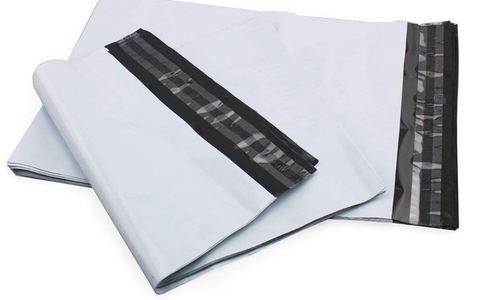
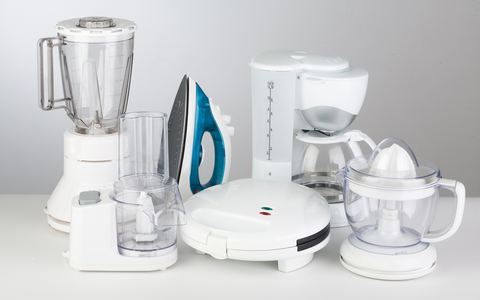
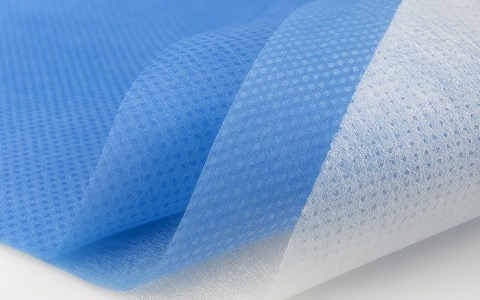
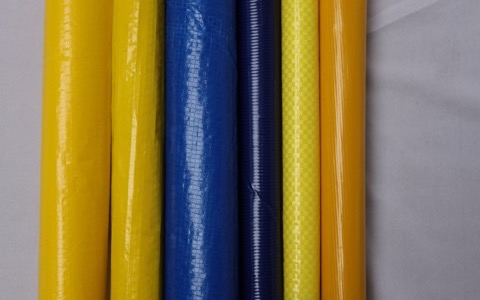
To make plastic products white and opaque. Common uses are carry bags and mailer film, lamination and tarpaulin, nonwoven fabric, woven sacks, PET bottles, appliance housings, lighting covers, houseware, caps and containers.
Which polymers can you make white masterbatch for?
PE, PP, PET, Nylon (PA), PC and ABS, plus EVA, GPPS, HIPS, PBT, PMMA, POM, PLA and PBAT. Each grade is made on a carrier that suits the polymer it goes into.
What dosage of white masterbatch should I use?
Usually 0.5% to 3%. Thin film needs more than a thick moulded part for the same opacity. Tell us your polymer, product and thickness and we'll recommend a grade and dosage.
How much TiO2 is in your white masterbatch?
Our standard grades have 50%, 60% or 70% titanium dioxide (TiO2). Other loadings are made to order. 70% gives the most opacity per kilo and suits thin film; 50% is the economical choice for thicker parts.
Why does white plastic turn yellow, and can you prevent it?
Whites can yellow from heat during processing or from sunlight over time. We add anti-yellow additives and UV stabilisers to keep them white, and optical brightener for an extra-bright white.
Is your white masterbatch food-contact compliant?
We offer FDA food-contact compliant grades for selected products, and REACH and RoHS compliant grades for the applications that need them. Tell us your end use and we'll recommend the right grade.
What is the minimum order for white masterbatch?
There is no minimum order for standard grades. Custom grades start at 50 kg. White masterbatch is packed in 25 kg bags.
Can you match my current supplier's white?
Yes. Send us a sample of the masterbatch or the finished product and we'll match its opacity and tone on your polymer. Trial samples are usually ready in 2 days.
Related products
All products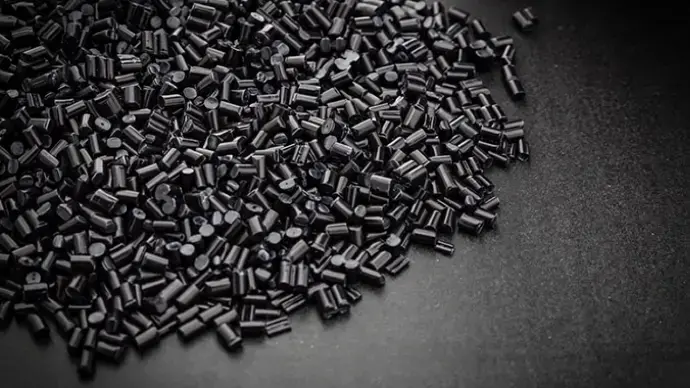
Black masterbatch
Deep carbon black for PE, PP, PET, Nylon, PC, ABS and more, with UV-stable grades.
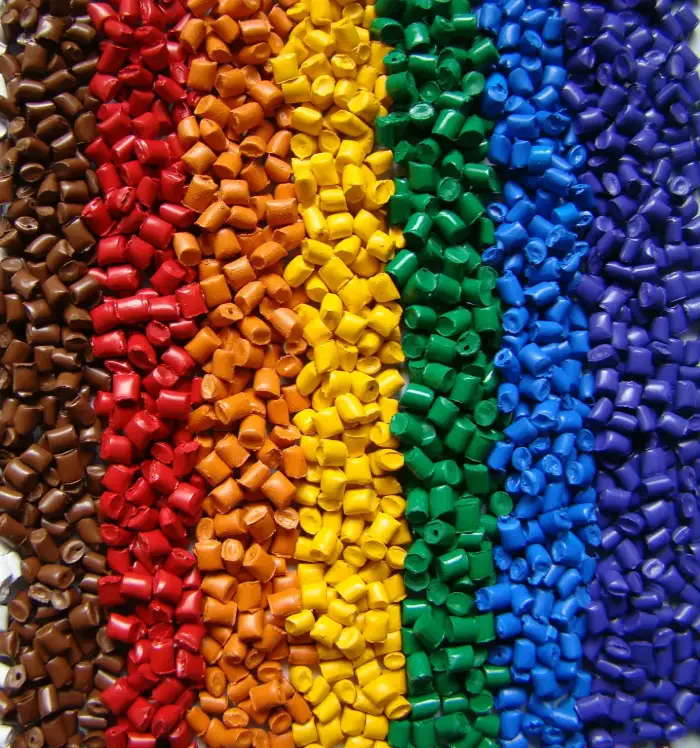
Colour masterbatch
Any shade matched to your sample or Pantone / RAL code, for PE, PP, PET, Nylon and 10 more polymers.
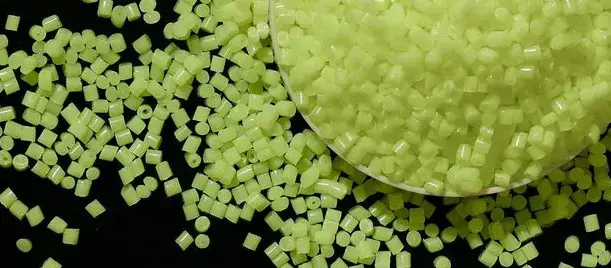
Additive masterbatch
UV, flame retardant, antistatic, optical brightener, anti-yellow and 25+ more.